The Bitcoin & Art Chip Economy: NFT Websites, Cultural Infrastructure, and the Future of Digital Value Systems
NFT Websites, Cultural Assets, and the Emerging Structure of Digital Value. Copyright © 2026 Reana Francis Marcus. All Rights Reserved
Disclaimer: This article is a futuristic speculative editorial written in a pop-science and Wall Street forecasting format inspired by emerging digital culture, blockchain infrastructure, and online media trends. The concepts discussed are theoretical interpretations and cultural forecasting ideas intended for discussion, entertainment, and creative analysis purposes only. They are not presented as established financial, legal, investment, or regulatory classifications. However, these frameworks explore potential future scenarios in which digital cultural systems, NFT-based ecosystems, and creator-driven platforms could evolve into recognized forms of economic or market value over time.
The internet has already changed what money is.
1. INTRODUCTION
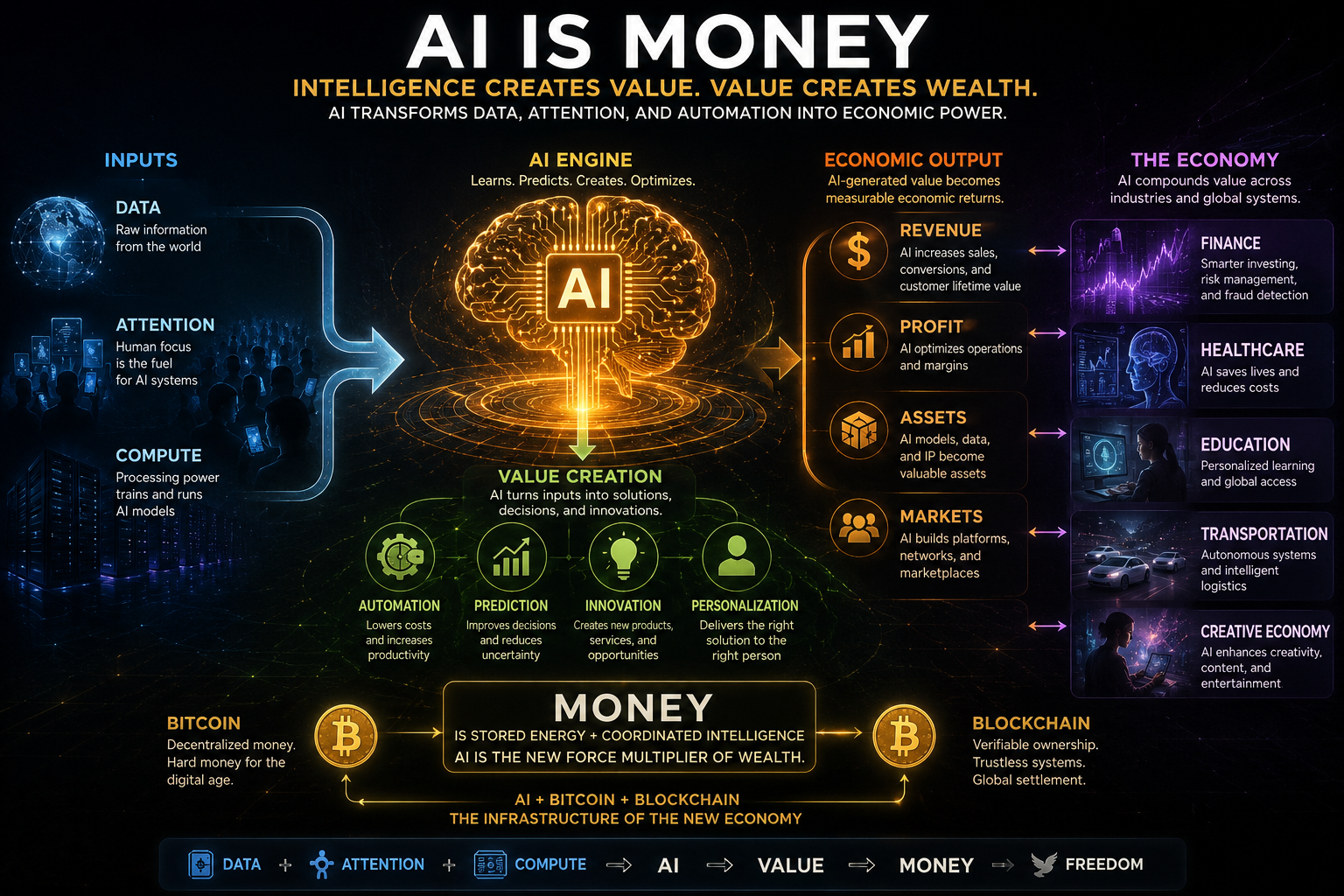
Over the past decade, digital systems have increasingly redefined how value is created, distributed, and perceived. The emergence of decentralized financial technologies such as Bitcoin introduced the possibility of global, non-sovereign monetary infrastructure, while the development of blockchain-based digital assets expanded the concept of ownership into the digital cultural domain. Together, these developments have begun to shift value creation away from purely institutional frameworks and toward networked, digitally native environments. At the same time, the rise of platform-based media ecosystems has fundamentally altered the mechanisms through which cultural influence is generated. Social media platforms now function not only as communication tools, but as large-scale distribution systems in which visibility, engagement, and algorithmic amplification play a central role in determining cultural relevance. In this environment, attention itself has become a measurable and increasingly structured input into value formation. Within this broader shift, a new set of informal but increasingly observable frameworks has begun to emerge in discussions around digital culture and online creative economies. These frameworks attempt to describe how cultural influence, digital identity, and media production may organize into stratified systems of perceived stability and relevance. Although not formally defined within financial or institutional literature, such classifications reflect a growing attempt to interpret digital culture through economic and systems-based models. This paper introduces the concept of the Bitcoin and Art Chip Economy as a speculative framework for understanding the convergence of decentralized financial infrastructure, digital ownership systems, and platform-driven cultural production. Rather than treating these domains as separate, the framework considers them as interdependent layers within a broader evolving digital system. In this context, websites, blogs, and NFT-linked digital environments are increasingly relevant not only as publishing tools, but as persistent cultural structures. These systems accumulate content, identity signals, and audience interaction over time, forming continuous archives of cultural production. As such, they may be interpreted as emerging forms of structured digital environments where value is shaped through sustained visibility and cultural continuity rather than isolated outputs. The purpose of this paper is not to propose a definitive model of valuation, but to explore a conceptual structure through which Bitcoin, NFTs, digital platforms, and creator-driven ecosystems may be understood as components of a unified and evolving digital value system. This includes examining how informal classification models, such as “chip tiers,” reflect broader attempts to describe stability, influence, and volatility within digital cultural environments. By situating these developments within a single framework, the paper aims to provide a structured lens through which the intersection of financial infrastructure, digital ownership, and cultural production can be analyzed as part of a larger transition in how value is constructed in online environments.
Read the full Article on Zenodo.