A Tradition of Innovation and Lifelong Learning
Blending tradition and modern innovation, our coaching prepares students to excel and thrive in a global world.
Blending tradition and modern innovation, our coaching prepares students to excel and thrive in a global world.


It began with a bold vision to support education and foster community values. This foundational period set the stage for our enduring legacy.
As I grew, I focused on helping facilities, expanding programs, and enhancing educational offerings to reach a broader and more diverse student body.


Embracing modern technology and innovative teaching methods, this period marked a transformation in how we deliver education and support student success.
Our current focus is on maintaining excellence in education while honoring our rich traditions, ensuring we continue to shape the future of our students.

Our mission is to provide an inspiring and inclusive learning environment that nurtures every student’s potential. We strive to cultivate academic excellence, personal growth, and a commitment to lifelong learning, empowering students to become leaders and positive contributors to society.
Our vision is to be a leading educational institution recognized for innovation, inclusivity, and academic excellence. We aim to shape future generations of confident, compassionate, and critical thinkers who will make meaningful impacts in an ever-evolving world.
We are committed to fostering a culture of excellence, integrity, inclusivity, innovation, and community. These core values guide our approach to education and shape our efforts to inspire, support, and empower every student.
We pursue excellence, inspiring students to reach their potential.
We value honesty, responsibility, and moral principles in all we do.
We celebrate diversity, ensuring everyone feels respected.
We embrace creativity and innovation to prepare students.

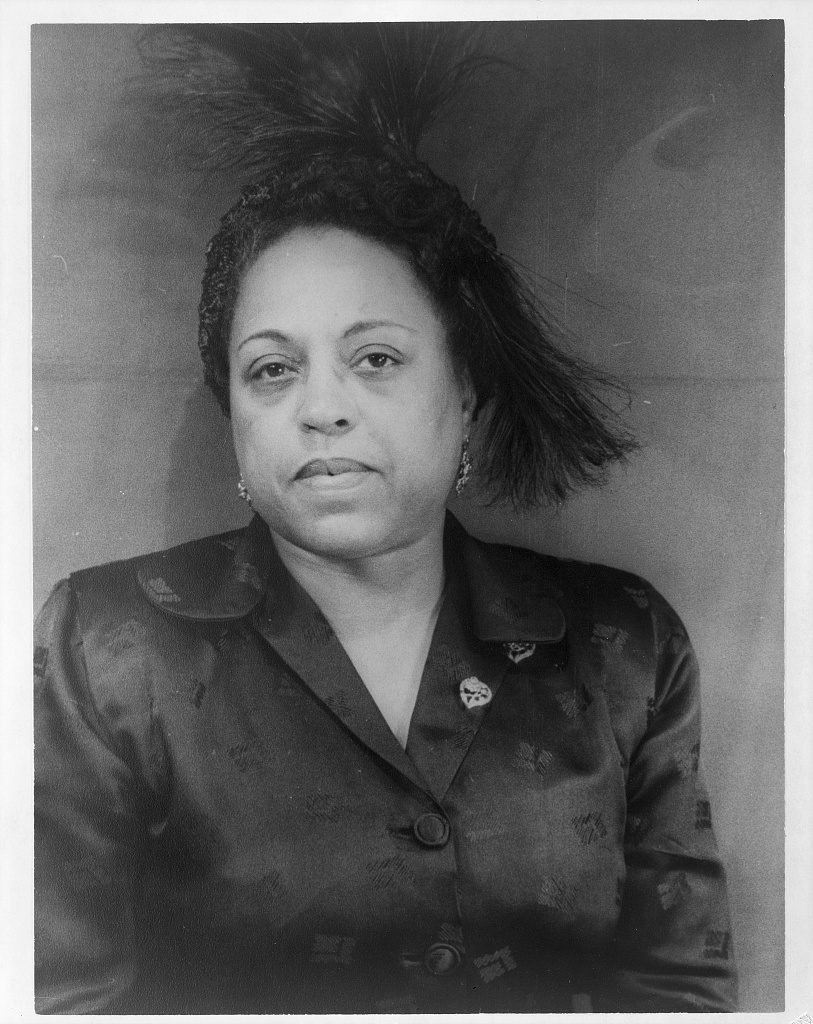

Mourning Dove (also known as Christine Quintasket, c. 1884–1936) was one of the first published Native American women novelists in the United States. She was a member of the Confederated Tribes of the Colville Reservation in Washington State and wrote in a time when Indigenous voices were rarely represented in mainstream literature.
Her most notable work, Cogewea, the Half-Blood, co-written with editor Lucullus McWhorter, is considered one of the earliest novels published by a Native American woman. The book explores the struggles of a mixed-race Indigenous woman navigating identity, tradition, and settler society in the American West.
Mourning Dove’s writing is valued for preserving Indigenous oral storytelling traditions and offering early insight into Native experiences from an Indigenous perspective. She remains an important figure in Native American literature and cultural history.

Chien-Shiung Wu (1912–1997) was a groundbreaking Chinese-American experimental physicist known as the “First Lady of Physics.” She made major contributions to nuclear physics and played a key role in the Manhattan Project during World War II.
Wu is best known for the Wu Experiment in 1956, which proved that the law of conservation of parity—previously thought to be universal—does not apply to weak nuclear interactions.
This discovery transformed modern physics, though the Nobel Prize was awarded to her male colleagues who proposed the theory.Throughout her career, Wu was a respected professor at Columbia University and an advocate for women in science. Her work reshaped our understanding of fundamental physics and helped open doors for future generations of scientists.